საქართველოს სპორტის სახელმწიფო უნივერსიტეტი

Day: February 12, 2026

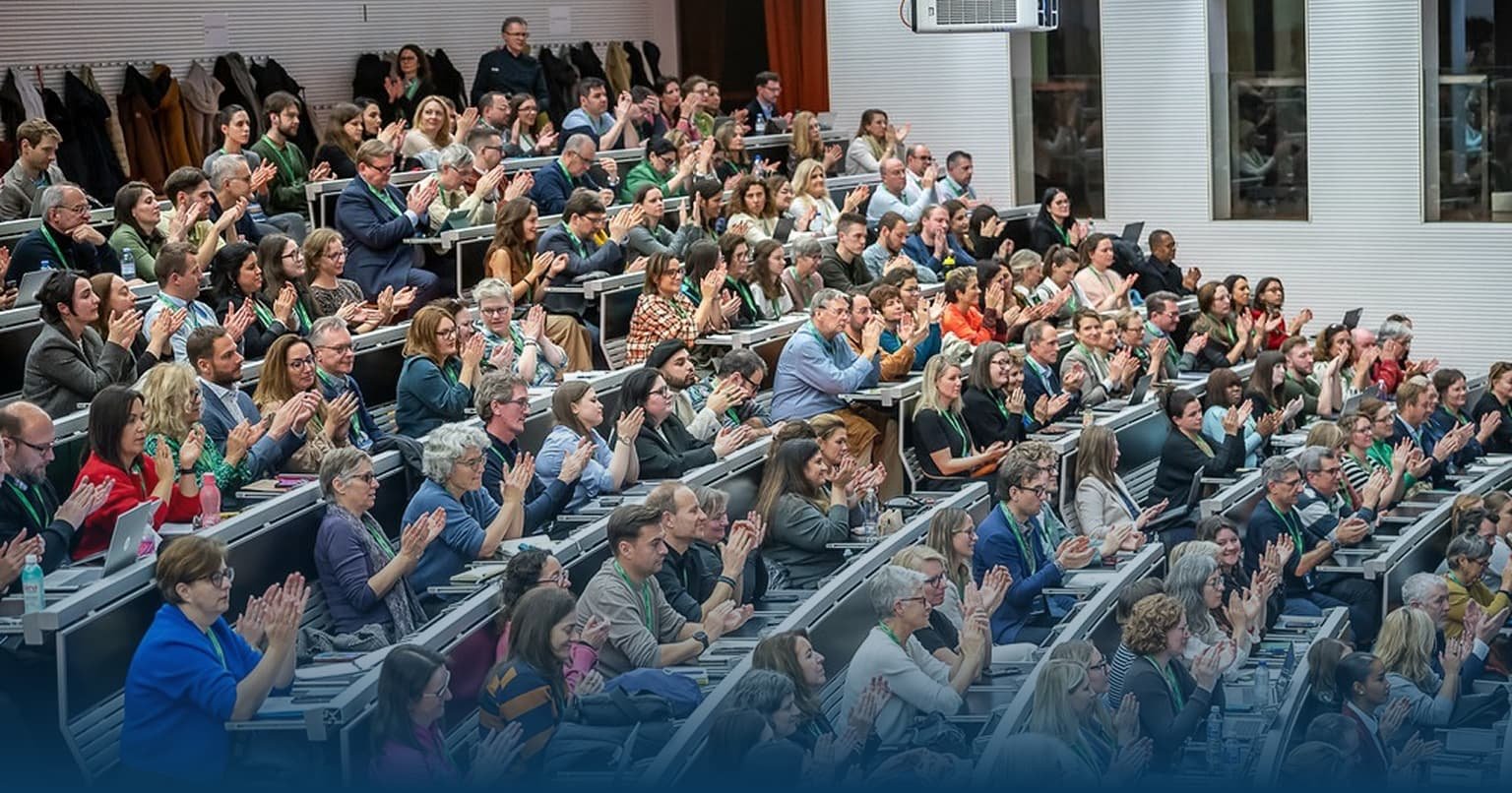
  • საქართველოს სპორტის სახელმწიფო უნივერსიტეტის სტუდენტთა სამეცნიერო კონფერენცია

    საქართველოს სპორტის სახელმწიფო უნივერსიტეტის სტუდენტთა სამეცნიერო კონფერენცია

    🎓📚 ღონისძიება

    საქართველოს სპორტის სახელმწიფო უნივერსიტეტის სტუდენტთა სამეცნიერო კონფერენცია

    „სპორტის, მედიცინისა და მენეჯმენტის აქტუალური საკითხები“

    სპორტუნი გიწვევთ სტუდენტთა სამეცნიერო კონფერენციაზე, რომლის მიზანია ახალგაზრდების ჩართვა სამეცნიერო საქმიანობაში, კვლევითი უნარების განვითარება და ცოდნისა და გამოცდილების გაზიარება 🤝✨

    🚀 კონფერენციაში მონაწილეობა შეუძლიათ საბაკალავრო და სამაგისტრო საფეხურის სტუდენტებს, ასევე კურსდამთავრებულებს.

    📅 16 მაისი, 2026
    ⏰ 12:00 საათი
    📍 ე. ნინოშვილის №55

    ეს არის არაჩვეულებრივი შესაძლებლობა, წარადგინოთ საკუთარი კვლევა და გაიზიაროთ იდეები💡

  • Become a Bank of Georgia Scholar

    Become a Bank of Georgia Scholar

    🎓 This opportunity is for you — become a Bank of Georgia scholar!

    Bank of Georgia

    Bank of Georgia continues to support young people and is launching a new stage of scholarships for students. This is an excellent opportunity for your knowledge and dedication to be recognized — receive a scholarship and take the first step toward success!

    📅 Applications will be accepted until: November 30
    🔗 Register at: bankofgeorgia.ge/student-space

    If you are academically successful, motivated, and want your efforts to be acknowledged — this opportunity is exactly for you!

    💡 Recommended by the Georgian State University of Sport

  • European Quality Assurance Forum

    European Quality Assurance Forum

    On November 12–14, 2025, the delegation of the Georgian State University of Sport participated in the European Quality Assurance Forum (EQAF 2025), held in Budapest, Hungary. The forum was hosted by Corvinus University of Budapest.

    EQAF is a significant European platform that brings together leading experts in higher education quality assurance, policy makers, and representatives of various universities. They discuss and review existing trends, challenges, and development opportunities in the field of quality assurance in higher education. The main theme of this year’s forum – “Quality Assurance in Times of Crisis – Ensuring Stability, Autonomy, and International Cooperation” – was driven by the challenges facing Europe and the world.

    At EQAF 2025, the Georgian State University of Sport was represented by: Maia Khurtsilava – Head of the University Quality Assurance Service; Nino Dzagania – Associate Professor, Head of the Quality Assurance Service of the Faculty of Coaching; Ana Abisonashvili – Chief Specialist of the University Quality Assurance Service.

    During the three-day forum, members of our delegation were actively involved in working sessions, discussions, and thematic meetings. They had the opportunity to become familiar with modern European practices for quality enhancement, receive valuable information about challenges faced by leading European universities and the mechanisms for responding to them, and establish new professional relationships that will contribute to the university’s future development.

    Participation in EQAF 2025 further strengthened our university’s commitment to European quality standards and continuous development.

    The Georgian State University of Sport extends its gratitude to the EQAF organizers and Corvinus University for organizing the forum at the highest level and for their warm hospitality.

  • University Scientific Conference: “Training, Rehabilitation and Management Issues in Sports”

    University Scientific Conference: “Training, Rehabilitation and Management Issues in Sports”

    On November 24–25, 2025, the Georgian State University of Sport hosted the academic conference of professors and teachers on the topic: “Issues of Training, Rehabilitation, and Management in Sport.”

    The event featured 22 presentations covering both the analysis of theoretical issues and the discussion of research results in various актуal areas of sport. The topics generated significant interest among attendees, leading to active discussions and Q&A sessions.

    Holding such scientific conferences has become an established tradition at the university. Conference materials are public and available on the university’s website for field specialists and other interested individuals.

  • Articles are being accepted

    Articles are being accepted


    The International Scientific Journal “Innovations in Sport Science and
    Healthcare” announces the call for papers.

    Papers are accepted in Georgian and English, in accordance with the
    journal’s editorial requirements. See the article guidelines at:

    https://lavenderblush-dugong-348830.hostingersite.com/sametsniero-zhurnali/statiis-tekhnikuri-parame/

    The goal of the journal is to establish a scientific platform oriented
    toward international standards, which will play an important role both in
    Georgia and in the international context in promoting the development of
    sport science.

    Submission deadline: March 25
    Email:
    issh@sportuni.ge
    ✔ Copied

  • Ancient Olympic Games

    Ancient Olympic Games

    The Ancient Olympic Games are one of the oldest and most important cultural, religious, and sports phenomena in human history. They were not limited to sporting competitions, but were an important expression of the worldview, attitude towards the gods, and social life of the ancient Greeks.

    Most scholars consider the official beginning of the ancient Olympic Games to be 776 BC, when the name of the winning athlete was first recorded – Corybos of Elis, who won a single stage of running.

    The ancient Greek Olympic Games were held in Olympia, at the foot of Mount Cronus, in the valley of the Alpheios River, on the Peloponnese Peninsula. The central part of Olympia was the sacred plain – Altis, where a large complex of the main cult and sports buildings was located: the palaestra, gymnasium, stadium, hippodrome, baths, residential and auxiliary infrastructure.

    The games were dedicated to the supreme deity of the gods, Zeus, and their holding was an integral part of religious rituals. The Temple of Zeus was built in Olympia, which housed the grandiose statue of Zeus created by Phidias – one of the Seven Wonders of the Ancient World.

    The competitions were accompanied by ritual sacrifices, ceremonial processions, and prayers. Of particular importance were ascetic training and the oath to Zeus, which provided ethical and religious regulation of the athletes’ behavior.

    The most important institutional achievement of the Olympic Games was the “sacred truce” or ekecheiria. According to legend, this tradition was established by a treaty between the Elis king Iphites and the Spartan legislator Lycurgus. The historian Pausanias confirms (Pausanias. (1918, Miller, 2004)) that the text of this treaty was engraved on a copper disk and kept in Olympia.

    The declaration of the “Holy Truce” meant a temporary cessation of military operations and the inviolability of the roads leading to Olympia. It was a legal and social projection of a religious norm that ensured the continuity and pantheon of the games.

    The ancient Olympic Games were held every four years in the same arena for 1,170 years. This four-year period became known as the “Olympiad” and even became part of the calendar system.

    The criteria for participation in the Olympics were strictly regulated: only free Greek men were allowed to participate in the games. Women were forbidden to participate or even attend the stadium.

    In the ancient Olympics, there were no second or third places, only one winner. His reward was the sacred olive branch, which symbolized honor and glory.

    The Ancient Olympic Games were held 293 times from 776 BC to 394 AD, which can be considered an unprecedented event in the cultural history of mankind.

    Conclusion. The ancient Olympic Games were a unique socio-cultural and religious phenomenon that defined the identity and value system of the Hellenic world.

    The tradition of the “sacred truce” and the principle of fair competition remain a fundamental part of the cultural heritage of humanity and confirm the unifying potential of sport.

    The study of the ancient Olympic Games is not only of historical importance, but also allows us to understand the deep philosophical and cultural foundations of the modern Olympic movement.

    Guram Dzagania